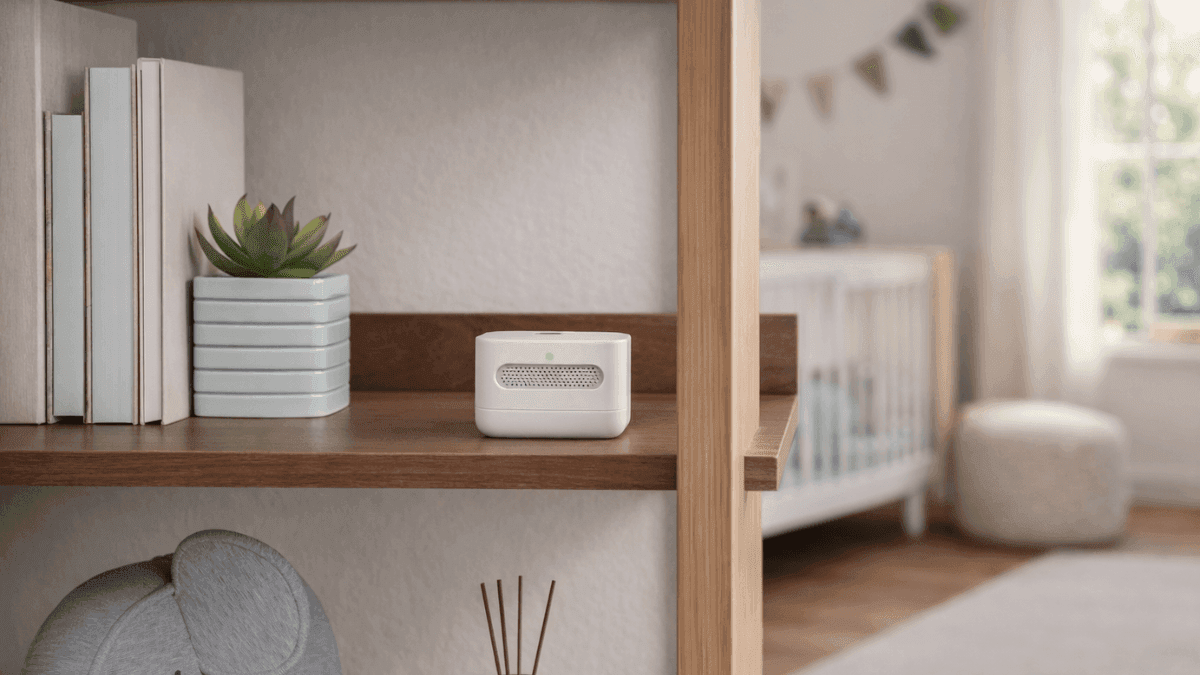
Indoor air often carries more pollutants than outdoor air. The Environmental Protection Agency reports that indoor air can be two to five times more polluted than outdoor air in many homes. Dust, cleaning chemicals, cooking fumes, and humidity shifts all influence the air that circulates through living spaces.
The Amazon Smart Air Quality Monitor offers a simple way to track those changes and understand what’s happening inside your home.
Instead of relying on guesswork, this compact device measures several air quality factors and sends real-time insights to the Alexa app. You can see trends, respond to changes, and even automate smart devices like air purifiers or fans.
If cleaner indoor air and smarter home monitoring sound useful, here’s how the Amazon Smart Air Quality Monitor works and what you should know before adding it to your smart home.
Amazon Smart Air Quality Monitor Features and What It Measures
The Amazon Smart Air Quality Monitor tracks five important indoor environmental factors that influence health and comfort. These sensors work together to provide a broader look at indoor conditions.
1. PM2.5 (Fine Particulate Matter)
PM2.5 particles include dust, smoke, pollen, and tiny airborne pollutants. According to the World Health Organization, long-term exposure to these particles can contribute to respiratory issues. The monitor detects particle levels and helps identify pollution spikes caused by cooking, candles, or outdoor smoke entering the home.
2. Volatile Organic Compounds (VOCs)
VOCs are gases released by products like paint, cleaning supplies, furniture, and air fresheners. Tracking these compounds helps reveal when chemical pollutants build up indoors.
3. Carbon Monoxide (CO)
The monitor can detect carbon monoxide from appliances such as gas heaters or stoves. Amazon notes that this sensor provides an informational reading and does not replace a certified carbon monoxide alarm, which is still required for safety.
4. Humidity Levels
High humidity can encourage mold growth. Low humidity can dry out skin and irritate airways. Monitoring this range helps maintain healthier indoor comfort.
5. Temperature
Temperature readings support climate control and help trigger smart routines if the room becomes too warm or too cool.
Together, these sensors give a clear snapshot of your indoor air quality monitor data in one device.
Smart Home Air Quality Monitoring Through Alexa
One of the strongest advantages of the device is its integration with the Alexa ecosystem. Once connected to Wi-Fi and the Alexa app, the monitor automatically reports air quality data.
Voice commands make checking conditions simple:
- “Alexa, what’s the air quality?”
- “Alexa, what’s the humidity in the living room?”
- “Alexa, what’s the temperature inside?”
Alexa can also send notifications when air quality drops. That feature proves useful during activities like cooking or when wildfire smoke affects outdoor air.
Users who already rely on Alexa devices will find the setup especially smooth, since the Alexa air quality monitor functions like another smart sensor in the home network.
Amazon Pricing and Current Value
The Amazon Smart Air Quality Monitor currently sells on Amazon US for $69.99 at standard retail pricing.
However, the product frequently drops during sales events:
- Typical sale price: $59.99
- Major promotion price: $44.99–$49.99
That range makes it one of the more affordable smart air quality sensors for home use.
Compared with many indoor monitors that cost over $100, Amazon positioned this device as a budget-friendly option for households already using Alexa.
LED Air Quality Indicator Explained
The monitor includes a small color-coded LED light that instantly communicates indoor air conditions.
Color indicators include:
- Green: Good air quality
- Yellow: Moderate air quality
- Orange: Poor air quality
- Red: Very poor air quality
This quick visual cue helps household members understand air conditions without opening the app. A quick glance across the room often tells you if ventilation is needed.
Many users find this simple indicator helpful during cooking or when using strong cleaning products.
Using Alexa Routines for Automated Air Quality Control
One of the most practical features involves Alexa automation routines.
When paired with compatible smart devices, the monitor can trigger actions automatically. For example:
- Turn on an air purifier when PM2.5 levels increase
- Start a smart fan if temperature rises
- Activate a dehumidifier when humidity climbs
- Send notifications when VOC levels spike
Smart home enthusiasts often combine this monitor with an Alexa compatible air purifier, creating an automated indoor air management system.
In real households, this automation reduces the need to constantly check air quality manually.
Device Design, Setup, and Installation
The device keeps a very small footprint:
- Dimensions: 2.6 × 2.6 × 1.8 inches
- Weight: 4.2 ounces
This size allows placement on a desk, shelf, or nightstand without drawing attention.
Setup takes only a few steps:
- Plug the device into power
- Open the Alexa app
- Add the monitor as a new device
- Connect it to Wi-Fi
Initial calibration takes about 7 minutes, while full environmental adjustment may take up to 48 hours.
After calibration, the device begins tracking air quality trends continuously.
Multi-Room Air Quality Monitoring
Many households install more than one monitor to track air conditions across different rooms.
For example:
- One unit in the bedroom
- Another in the living room
- One near the kitchen
The Alexa app displays readings for each location, which helps identify where air quality problems occur most often.
This approach works well in larger homes or apartments with limited airflow between rooms.
Limitations to Consider Before Buying
While the monitor works well for many homes, a few limitations deserve attention.
No built-in display
Detailed readings require the Alexa app.
Works best with Alexa devices
Homes using other ecosystems like Google Home may not benefit from the same level of integration.
Constant power required
The device uses a USB power adapter and does not run on batteries.
Carbon monoxide monitoring is informational
Safety experts still recommend installing certified CO detectors as required by building codes.
These points are worth considering before purchasing a smart air quality monitor for home use.
Environmental Design and Sustainability
Amazon designed the device with sustainability in mind.
The housing uses 70% post-consumer recycled plastics, and the packaging is 99% recyclable. Amazon also notes that the product carries Carbon Trust certification, which measures and verifies the device’s carbon footprint.
While small electronics rarely receive attention for sustainability, this design approach reduces environmental impact over the product lifecycle.
Conclusion
Indoor air quality often goes unnoticed until a problem appears. Pollutants from cooking, cleaning products, dust, and humidity shifts all contribute to changing indoor conditions. The Amazon Smart Air Quality Monitor provides a practical way to track those changes and respond more quickly.
With five environmental sensors, Alexa integration, automation routines, and a compact design, the device delivers useful insights without requiring complicated setup. Pricing between $44.99 and $69.99 also keeps the device accessible for many households.
If monitoring indoor air quality sounds useful for your home, exploring the Amazon Smart Air Quality Monitor on Amazon can help you see current pricing, reviews, and compatible smart devices. While browsing, you may also discover other smart home tools that help improve comfort and indoor living conditions.