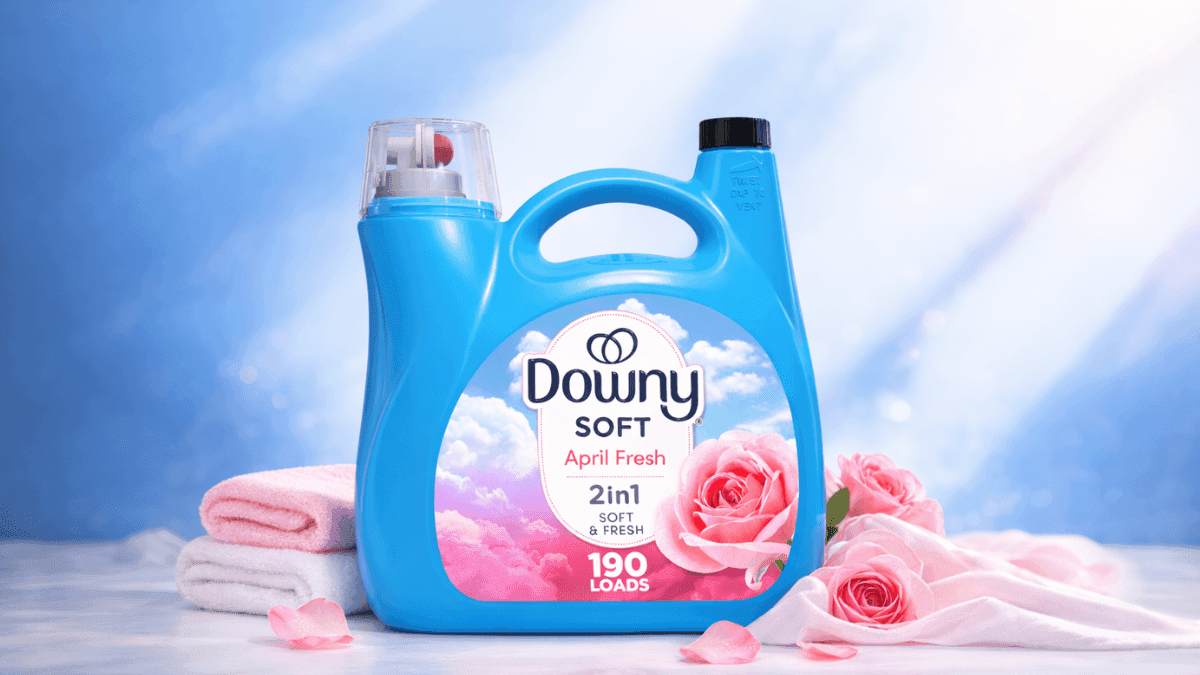
Laundry day says a lot about your routine. The scent, the feel of your towels, the way your clothes move without static clinging to everything in sight—it all adds up.
Downy Liquid Fabric Softener has been part of American laundry rooms for decades, and it continues to hold a strong spot in the market.
Manufactured by Procter & Gamble, Downy is designed to soften fabrics, reduce static, and leave a noticeable fragrance that lasts.
According to Procter & Gamble brand data and retail market reports from Statista, Downy remains one of the top-selling fabric softener brands in the United States. That kind of staying power usually reflects consistent performance and consumer trust.
Downy Liquid Fabric Softener: What It Is and How It Works
Downy Liquid Fabric Softener is a rinse-cycle laundry additive. You add it during the rinse phase, and it coats fabric fibers with conditioning agents. These agents reduce friction between fibers, which leads to softer clothing and fewer wrinkles.
The key active ingredient commonly used in many fabric softeners, including Downy, is a quaternary ammonium compound (often listed as diethylester dimethyl ammonium chloride). This compound helps neutralize static and smooth fibers.
It works in:
- Standard washing machines
- High-Efficiency (HE) washers
- Top-load and front-load models
You’ll find it in multiple sizes and scent options, including Downy April Fresh fabric softener, Downy Free and Gentle fabric softener, and concentrated formulas.
Real-World Performance: What You Notice After Using It
After testing several loads—towels, cotton shirts, synthetic gym wear, and bedding—you’ll likely notice three main changes:
1. Softer Towels and Sheets
Bath towels feel less stiff, especially if you live in an area with hard water. Cotton sheets glide more smoothly and feel less scratchy.
2. Reduced Static
Static cling drops significantly in polyester and blended fabrics. During winter months, this makes a visible difference when pulling clothes from the dryer.
3. Longer-Lasting Scent
The fragrance remains noticeable for days, especially with April Fresh. Some people enjoy the stronger scent profile. Others may prefer the Free & Gentle version for a neutral finish.
That said, too much product can leave buildup. Using the correct cap measurement prevents residue.
Downy Fabric Softener Benefits You Should Know
When looking at Downy fabric softener benefits, several features stand out:
- Softens fabrics by smoothing fibers
- Helps reduce static cling
- Minimizes minor wrinkles
- Adds long-lasting fragrance
- Compatible with HE machines
According to the U.S. Environmental Protection Agency (EPA), static buildup in synthetic fabrics increases in dry environments. Fabric softeners help reduce that friction, which explains the drop in cling during colder months.
From a textile care perspective, fabric conditioners can help reduce fiber wear caused by friction during washing. However, they are not necessary for every fabric type.
Available Sizes and Real Amazon US Pricing
Here’s what you’ll typically see on Amazon U.S. (prices fluctuate slightly):
- 44 fl oz (April Fresh) – Around $8.97
- 77 fl oz – Around $9.94 to $12.94
- 140 fl oz – Around $13.97 to $15.97
- 150 fl oz Club Size – Around $14.88 to $16.99
- Ultra Concentrated 170 fl oz – Around $16.99 to $19.99
Larger bottles usually offer better cost per load. On average, the cost per load ranges between $0.06 and $0.12 depending on size and concentration.
If you run multiple loads per week, bulk sizes offer better long-term value.
Downy April Fresh Fabric Softener vs. Free & Gentle
Choosing between scents often depends on personal preference and skin sensitivity.
Downy April Fresh Fabric Softener
This is the classic scent. It’s strong, clean, and noticeable. It lingers on bedding and clothes for days.
Best for:
- People who enjoy bold fragrance
- Towels and bedding
- Everyday laundry
Downy Free and Gentle Fabric Softener
This formula is dye-free and perfume-free. It’s dermatologist-tested and suitable for sensitive skin.
Best for:
- Babies and young children
- Sensitive skin households
- Fragrance-sensitive users
Dermatologists often recommend fragrance-free products for eczema-prone skin, according to the American Academy of Dermatology.
If you want the best results, proper use matters.
Step-by-Step:
- Measure using the bottle cap.
- Pour into the fabric softener dispenser.
- Let the washer release it during the rinse cycle.
If your washer doesn’t have a dispenser, add it manually during the rinse phase.
Important tips:
- Do not pour directly onto dry clothes
- Avoid overfilling the cap
- Clean the dispenser monthly to prevent buildup
Using too much product can create residue on athletic fabrics and reduce moisture-wicking performance.
When You Should Skip Fabric Softener
Fabric softener works well for cotton, blends, and linens. However, there are exceptions:
- Moisture-wicking athletic wear
- Microfiber cleaning cloths
- Flame-resistant children’s sleepwear
- Performance fabrics
Softener can coat fibers and reduce absorbency. For gym clothes, a simple detergent-only wash may perform better.
Some sustainability advocates also raise concerns about rinse additives contributing to wastewater chemical load. If environmental impact matters to you, consider using it selectively.
Addressing Common Concerns
Does Downy Cause Buildup?
It can, especially with heavy use. Washing fabrics occasionally without softener helps reduce this issue.
Is It Safe for HE Machines?
Yes. Downy formulas are labeled HE-compatible.
Is It Safe for Septic Systems?
According to Procter & Gamble product information, Downy is septic-safe when used as directed.
Is Fabric Softener Necessary?
Not technically. It’s an enhancement product. Some households value softness and scent; others skip it entirely.
Looking at multiple perspectives helps you decide based on your laundry habits.
Market Reputation and Brand Trust
Downy is produced by Procter & Gamble, a company with over 180 years of consumer goods experience. Industry data from Statista consistently ranks Downy among the top U.S. fabric conditioner brands by market share.
That level of distribution and sales volume reflects strong consumer loyalty. Still, preferences vary. Some shoppers prefer dryer sheets. Others opt for wool dryer balls as a chemical-free alternative.
It comes down to how you prioritize scent, softness, and convenience.
Final Thoughts
Downy Liquid Fabric Softener remains a reliable choice if you want softer fabrics and a noticeable scent. It performs well across cotton, bedding, and everyday clothing. Bulk sizes provide better value, and the Free & Gentle option works well for sensitive skin households.
Use the right amount, skip it for specialty fabrics, and you’ll likely see solid results.
If you want to compare current prices and scent options, you can explore Downy Liquid Fabric Softener directly on Amazon. You’ll also find related laundry care products worth checking out while browsing.